
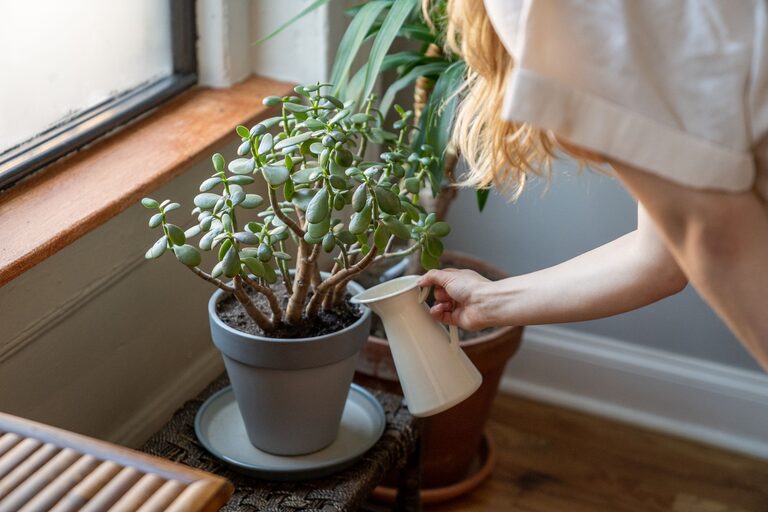
Bringing houseplants into your home is a wonderful way to add life, color, and freshness to your space. However, keeping them healthy requires some basic care knowledge and attention to their needs. Whether you’re a beginner or have a green thumb, these tips will help you maintain thriving, beautiful houseplants year-round.
Understand Your Plant’s Needs
Different houseplants have different requirements for light, water, and soil. The first step to keeping your plants healthy is to learn about the specific needs of each one.
– Light: Some plants prefer bright, indirect light (like pothos or spider plants), while others tolerate low light (such as snake plants or ZZ plants). Placing a plant in its ideal light condition is crucial for growth.
– Water: Overwatering is one of the most common mistakes. Make sure to understand how much and how often your plant needs watering. Typically, watering when the top inch of soil feels dry is a good rule of thumb.
– Soil and Drainage: Use the appropriate potting mix for your plant type. Good drainage is essential to prevent root rot, so make sure pots have drainage holes.
Create a Consistent Watering Routine
Watering properly is key to plant health.
– Check soil moisture: Stick your finger about an inch into the soil; if it’s dry, it’s time to water.
– Water thoroughly: When watering, do so until excess water drains out the bottom to ensure roots absorb moisture evenly.
– Avoid waterlogging: Never let plants sit in standing water, which can cause root rot.
– Adjust seasonally: Plants typically need less water in winter when they grow slower.
Provide Proper Lighting Conditions
Lighting influences photosynthesis and overall growth.
– Identify your plant’s light needs: Research or label your plants to know if they prefer full sun, partial shade, or low light.
– Use natural light: Place plants near windows, but avoid direct harsh sunlight for plants that prefer indirect light.
– Supplement with grow lights: If your home lacks sufficient natural light, consider using LED grow lights to support plant health.
Maintain Optimal Humidity and Temperature
Indoor environments can sometimes be too dry or hot for houseplants.
– Humidity: Many tropical houseplants thrive in higher humidity. Use a humidifier, group plants together, or place a tray of water nearby to increase humidity.
– Temperature: Most houseplants prefer room temperatures between 65°F and 75°F. Avoid placing plants near drafts, heating vents, or cold windows.
Fertilize Regularly but Wisely
Houseplants need nutrients to grow well.
– Use balanced fertilizer: A general-purpose houseplant fertilizer with equal parts nitrogen, phosphorus, and potassium works well.
– Follow instructions: Over-fertilizing can harm your plants, so apply fertilizer as recommended, usually once a month during the growing season (spring and summer).
– Reduce feeding in winter: Plants typically need less fertilizer in the dormant months.
Prune and Clean Your Plants
Regular grooming helps keep plants healthy and attractive.
– Remove dead or yellowing leaves: This prevents pests and diseases from spreading.
– Trim leggy growth: Pruning encourages fuller, bushier plants.
– Clean leaves: Dust can block sunlight, so gently wipe leaves with a damp cloth weekly.
Repot When Necessary
Repotting helps accommodate growing roots and refresh soil.
– Signs to repot: Roots growing out of drainage holes, soil drying rapidly, or slowed growth indicate it might be time.
– Choose the right pot size: Select a pot one size larger than the current one.
– Use fresh potting soil: Repotting every 1-2 years gives plants fresh nutrients.
Watch for Pests and Diseases
Early detection can save your plants.
– Common pests: Look for spider mites, aphids, mealybugs, and scale insects.
– Inspect regularly: Check undersides of leaves, stems, and soil surface.
– Treat promptly: Use insecticidal soap or neem oil as natural remedies if you spot pests.
– Prevent disease: Avoid overwatering and improve air circulation around plants to prevent fungal infections.
Rotate Your Plants
Turning your plants regularly ensures all sides get enough light, promoting even growth.
– Rotate once a week: This helps maintain a balanced shape and prevents leaning.
Final Thoughts
Caring for houseplants is a rewarding hobby that adds beauty and freshness to your home environment. By understanding each plant’s unique needs, maintaining proper watering and lighting, and regularly checking for pests and diseases, you can keep your indoor garden healthy and thriving. Remember, patience and observation are key — with time, you’ll learn what works best for your green friends.
Happy planting!